
Exploring the Absence of UK Horse Racing Trends and Implications

The world of UK horse racing has long been associated with excitement, tradition, and a massive following. However, recent patterns show that certain races and events appear to be missing from the racing calendar. This article delves into the reasons behind the absence of UK horse racing, its implications on the industry, and what it could mean for fans and participants alike. Furthermore, the UK horse racing not on GamStop Merseyside Mounted unit plays a unique role in this landscape, ensuring the safety and integrity of equine events across the region.
The Historical Significance of Horse Racing in the UK
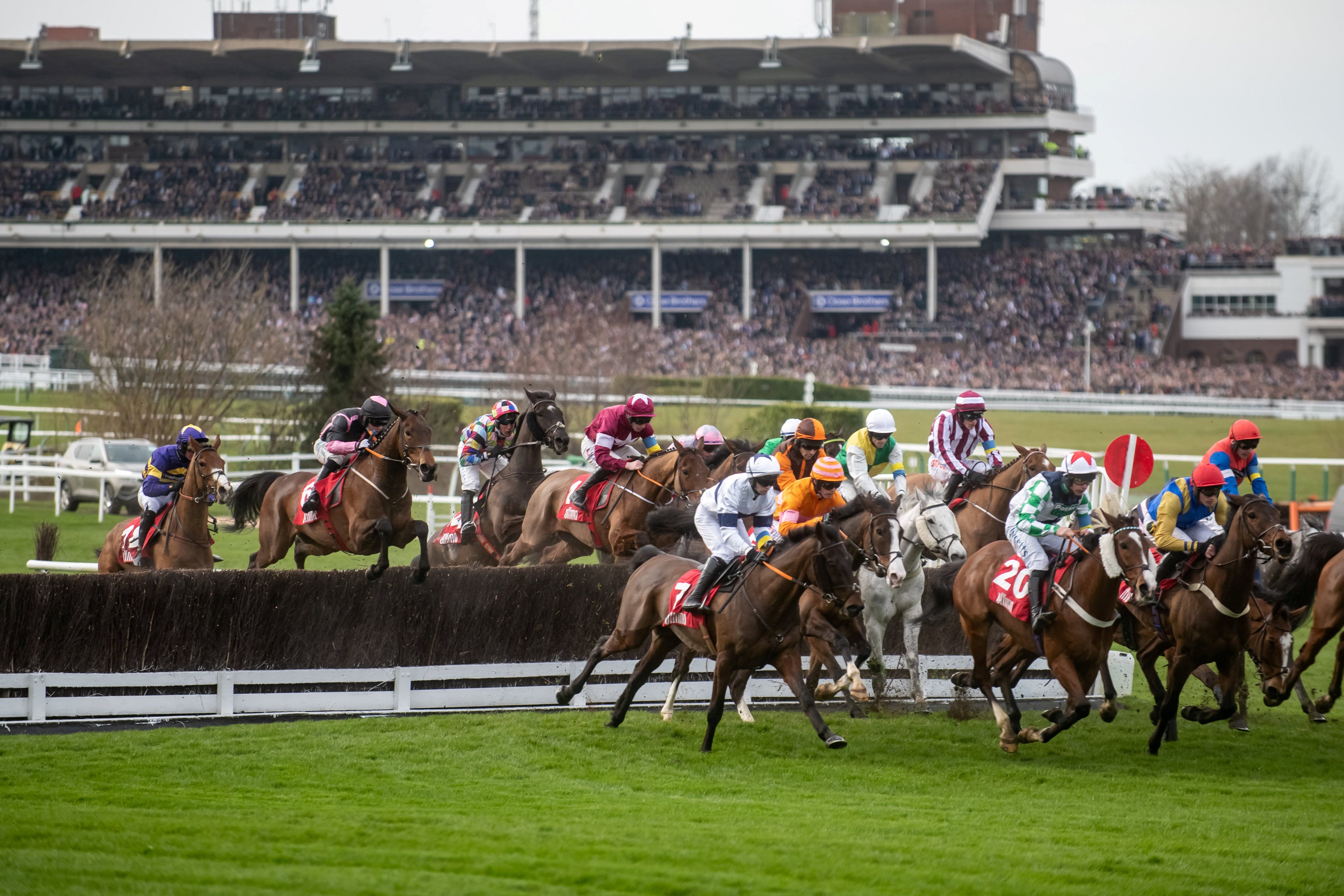
Horse racing in the UK boasts a rich history stretching back to ancient times. It has evolved into a major sport and a significant part of British culture, with races such as the Grand National and Royal Ascot solidifying their places as marquee events on the sporting calendar. These events attract thousands of spectators, generate millions in revenue, and foster a deep-rooted connection between horse and rider, the community, and betting enthusiasts.
Shifts in the Racing Calendar
Despite its historical prominence, the landscape of British horse racing has been shifting recently. Factors such as economic downturns, changes in weather conditions, and even the ongoing outcomes of the COVID-19 pandemic have contributed to events being canceled or rescheduled. The impact of these shifts has been profound—events that once took place with regularity now find themselves absent from the calendar, leaving fans puzzled and concerned about the future of the sport.
Economic Implications
The absence of UK horse racing events carries significant economic implications. Not only do the events themselves generate substantial revenue through ticket sales, hospitality, and associated spending, but they also support a wider ecosystem that includes breeders, trainers, and a myriad of small businesses. The more prolonged the absence of these lucrative events, the greater the risk to jobs and livelihoods in the industry. In addition, the betting industry, which thrives on race days, faces uncertainty, leading to a cascading effect throughout the economy.
Fan Engagement and Community Impact
The emotional connection that fans have with horse racing cannot be overstated. With races canceled or moved, enthusiasts find themselves without a way to partake in the culture that once united them. This absence can lead to a diminished sense of community and loss of engagement, impacting not just public interest in the sport but also participation rates in various equestrian activities. As events vanish, the risk is high for attendance and fandom to dwindle.
Future of Horse Racing: Adaptations and Innovations
As the landscape of horse racing evolves, so too must the industry adapt to these new realities. Innovations such as virtual racing and enhanced online betting platforms have begun to emerge, providing fans with new ways to engage and enjoy the sport even when traditional races are not occurring. While these adaptations may never replace the thrill of live events, they offer a lifeline for fans and industry stakeholders alike.
Role of Organizations and Communities
Organizations dedicated to equestrian sports, such as the Merseyside Mounted, are crucial in ensuring the integrity and safety of equine events. Such organizations work tirelessly to maintain standards, provide support during events, and engage with communities to keep the spirit of horse racing alive. Their efforts can help bridge the gap between the absence of traditional racing events and the need for fan engagement and community involvement.
Conclusion: The Path Forward
The absence of UK horse racing events presents both challenges and opportunities. By understanding the economic implications and fan engagement issues, stakeholders can work towards innovative solutions that preserve the essence of the sport while adapting to modern realities. The road ahead may be uncertain, but collaboration between organizations, communities, and the racing industry will be essential for navigating this evolvement and ensuring the future of horse racing in the UK.
Call to Action
Fans of UK horse racing are encouraged to stay engaged through online forums, support local equestrian activities, and participate in discussions about the future of the sport. Whether through virtual racing platforms or community events, remaining involved will be essential in keeping the spirit of horse racing alive during these challenging times.