
Understanding gambling addiction A guide to awareness and recovery
Understanding gambling addiction A guide to awareness and recovery
What is Gambling Addiction?
Gambling addiction, often referred to as compulsive gambling, is a condition characterized by an uncontrollable urge to gamble despite the negative consequences that may arise. This disorder can severely impact an individual’s financial stability, relationships, and mental health. The thrill of winning can easily overshadow the looming dangers, leading individuals down a path of obsession and despair. Understanding the nature of this addiction is essential for both the affected individuals and their loved ones. For those exploring safer options, many choose to check out online casino no verification withdrawal canada, which streamline the experience without additional stresses.
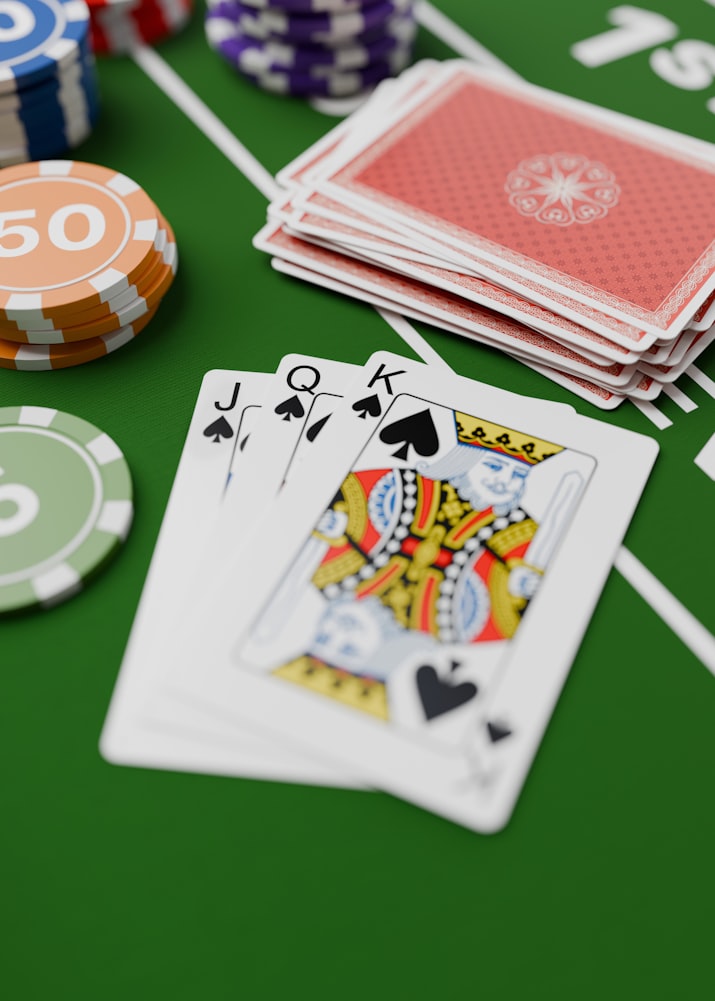
There are various psychological factors that contribute to gambling addiction, including impulse control issues and the desire for instant gratification. Many individuals believe they can beat the system or recover losses through further gambling, leading to a cycle that becomes increasingly difficult to break. Recognizing the signs of gambling addiction is crucial; these may include preoccupation with gambling, chasing losses, and neglecting responsibilities.
Moreover, gambling addiction is often linked with other mental health issues such as depression and anxiety. These co-occurring disorders can complicate the recovery process, making it imperative to adopt a comprehensive approach. Acknowledging the problem is the first step toward recovery, allowing individuals to seek help and support from professionals and support groups.
Signs and Symptoms of Gambling Addiction
Identifying gambling addiction involves recognizing a range of signs and symptoms that may manifest in an individual’s behavior. Common indicators include lying about gambling habits, increasing the amount of money wagered over time, and neglecting personal and professional obligations. Additionally, individuals may experience feelings of restlessness or irritability when trying to cut down on gambling, suggesting a loss of control over their impulses.
Financial distress is another prominent symptom, as compulsive gamblers often spend more than they can afford, leading to debt and financial ruin. They might resort to borrowing money, stealing, or engaging in deceptive practices to fund their gambling habits. These actions not only affect the individual but also strain relationships with family and friends, as trust erodes and communication breaks down.
Emotional distress is also a critical component of gambling addiction. Individuals may experience mood swings, feelings of hopelessness, and even suicidal thoughts as they grapple with their addiction. Acknowledging these signs and seeking help is vital, as untreated gambling addiction can lead to severe mental health crises and irreversible consequences in various aspects of life.
The Impact of Gambling Addiction on Relationships
The consequences of gambling addiction extend beyond the individual, significantly affecting relationships with family, friends, and colleagues. Partners often find themselves grappling with feelings of betrayal and hurt, struggling to understand the compulsive behavior of their loved one. Trust is a fundamental aspect of any relationship, and when it is compromised due to gambling, emotional bonds can become strained or even severed.
Moreover, the financial repercussions of gambling addiction can create a significant burden on relationships. Partners may face unexpected debt, loss of savings, or even the risk of foreclosure due to gambling-related expenses. The stress of financial instability can lead to arguments, resentment, and a breakdown of communication, making it even harder for the relationship to survive.
Support networks are crucial in overcoming gambling addiction. Open communication, understanding, and empathy can aid in healing relationships affected by this disorder. Couples and families may benefit from counseling or support groups designed to address the unique challenges that arise in the context of gambling addiction, fostering recovery and rebuilding trust over time.
Pathways to Recovery
Recovery from gambling addiction is a multifaceted journey that often requires professional help and support. Therapy options such as Cognitive Behavioral Therapy (CBT) can assist individuals in understanding their gambling patterns, addressing underlying issues, and developing healthier coping mechanisms. By focusing on changing thought patterns and behaviors, therapy can provide the tools needed to resist the urge to gamble.
Support groups like Gamblers Anonymous offer a communal space for individuals to share their experiences and challenges. These groups create a sense of accountability and provide encouragement from those who truly understand the struggle. Engaging in a supportive community can foster motivation and resilience, essential components of long-term recovery.
In addition to therapy and support groups, incorporating lifestyle changes can significantly enhance the recovery process. Individuals may benefit from engaging in new hobbies, forming healthier relationships, and setting achievable goals outside of gambling. Building a fulfilling life that doesn’t revolve around gambling is crucial for maintaining sobriety and promoting overall well-being.

Resources and Support for Gambling Addiction
For those seeking help with gambling addiction, numerous resources are available to provide support and guidance. Professional organizations, hotlines, and local treatment centers can offer invaluable assistance to individuals looking to break free from the cycle of addiction. Accessing these resources is a critical step in the recovery journey, ensuring that individuals are not alone in their struggles.
Online platforms also provide tools and information for individuals affected by gambling addiction, enabling them to access support discreetly. Websites dedicated to educating individuals about gambling addiction, its symptoms, and recovery strategies can empower them to take control of their lives. Connecting with others who have faced similar challenges can serve as a powerful motivator for change.
Ultimately, the journey to recovery is personal and unique for each individual. Understanding the available resources, seeking professional help, and fostering open communication with loved ones are all vital components in overcoming gambling addiction. Awareness and education are essential in breaking the stigma surrounding this disorder, allowing more individuals to find hope and healing.