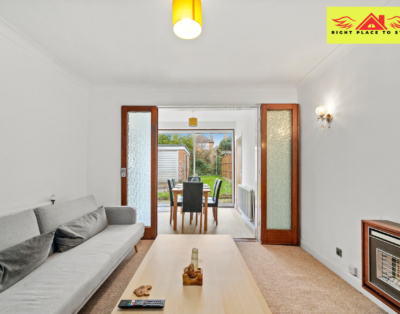
Wooden or Carpet Floor: The Complete Resource to Choosing the Best Flooring for Your Living Space
Selecting the ideal flooring option for your home is among the most critical decisions you’ll make during renovation or construction. The debate between Wooden or carpet floor options continues for decades, with each choice providing unique advantages and challenges. Your flooring selection impacts both the aesthetic appeal of your space but also affects comfort, maintenance requirements, durability, and overall property value. Understanding the key differences between these two common flooring options will help you make an informed decision that aligns with your lifestyle, budget, and long-term goals for your home.
Understanding the Important Contrasts Between Hardwood and Carpet Floors
The fundamental distinction when choosing between Wooden or carpet floor lies in their material composition and installation methods. Wooden flooring consists of solid hardwood planks or engineered wood products that are either nailed, glued, or floated over a subfloor, creating a rigid and permanent surface. Carpet flooring, conversely, features textile fibers woven or tufted into a backing material, typically installed with padding underneath for cushioning. These structural differences directly influence how each flooring type performs in terms of durability, comfort underfoot, and maintenance requirements throughout its lifespan.
Aesthetic considerations are essential in the choice of Wooden or carpet floor as each option creates distinctly different atmospheres within your living spaces. Wooden surfaces deliver a classic, sophisticated appearance with natural grain patterns and warm tones that enhance various design approaches from traditional to contemporary. Carpet provides softness and warmth with endless color, pattern, and texture options that can significantly transform a room’s ambiance. The visual impact extends beyond mere appearance, affecting how spacious rooms feel, how light travels across areas, and how cohesive your overall design scheme appears across different spaces in your home.
Performance characteristics represent another important consideration where Wooden or carpet floor differ notably from one another. Wood floors excel in high-traffic areas, hold up against stains better than most carpets, and preserve their look for decades with proper care, though they can be susceptible to scratches and moisture damage. Carpeted surfaces offer superior sound absorption, deliver improved insulation against cold, and reduce impact noise between floors, making them perfect for bedrooms and upper-level rooms. Understanding these distinct performance characteristics helps homeowners select appropriate flooring to specific room functions, traffic patterns, and household needs for optimal long-term satisfaction.
Evaluating Durability, Maintenance, and Longevity
When assessing flooring options for your home, knowing the durability and maintenance requirements of each choice is essential for lasting satisfaction. The decision between Wooden or carpet floor materials significantly impacts your regular cleaning schedules, maintenance expenses, and replacement timelines. Wooden floors typically offer excellent durability when properly maintained, often lasting many years or even a century with refinishing options available. Carpets, while cozy and inviting, typically need replacement every 5-15 years depending on quality and usage levels. Both flooring types require distinct maintenance methods, time investments, and financial commitments throughout their lifespan.
The maintenance requirements of your flooring selection impact not only your budget but also your lifestyle and schedule flexibility. Homeowners must evaluate factors such as resistance to scratches, stains, water damage, and wear patterns when selecting between these widely used options. The upfront installation expense represents just one aspect of the overall cost, as ongoing maintenance, cleaning services, and eventual replacement expenses accumulate over time. Understanding these long-term considerations helps homeowners make smart financial decisions that align with their household needs, activity levels, and willingness to maintain tasks throughout the years.
Wooden Floor Durability and Care Needs
Wooden flooring excels for its exceptional durability and ability to withstand decades of use when maintained correctly. Premium hardwood surfaces can last up to a century, with the benefit of being resurfaced repeatedly to revive their initial look. The choice of Wooden or carpet floor often hinges on resistance to daily wear, and wood stands strong in busy spaces where its hard surface avoids permanent marks and permanent indentation. However, wood needs safeguarding from high humidity, scratches from furniture, and prolonged sun exposure. Consistent sweeping, occasional damp mopping with suitable products, and prompt attention to spills preserve the surface quality and appearance throughout its long life.
Maintenance requirements for wooden floors involve straightforward and manageable routines that protect their value and visual beauty. Preventive steps such as furniture pads on legs, area rugs in heavy-use areas, and keeping humidity balanced avoid typical wear. Refinishing every 7-10 years eliminates surface marks and restores the protective finish, effectively refreshing the floor without full replacement. Many homeowners appreciate that considering Wooden or carpet floor options shows wood’s reduced long-term upkeep expenses despite higher initial investment. Professional deep cleaning and recoating services extend the time before major refinishing work, making wooden floors a cost-effective option for those committed to proper care and periodic maintenance investments.
Carpet Longevity and Maintenance Needs
Carpet flooring typically provides a shorter lifespan compared to hardwood, with most residential carpets requiring replacement every 5-15 years depending on quality, fiber type, and usage patterns. High-quality carpets with dense pile and stain-resistant treatments last longer in moderate-traffic areas, while budget options deteriorate more quickly. The decision between Wooden or carpet floor types often hinges on household composition, as homes with pets, children, or high foot traffic experience faster carpet wear. Regular vacuuming removes dirt particles that damage fibers, while professional deep cleaning every 12-18 months removes embedded soil and allergens. Despite diligent care, carpets inevitably show wear patterns, permanent stains, and fiber matting that eventually necessitate complete replacement rather than renewal.
Regular and scheduled maintenance demands for carpet flooring demand greater effort and specialized equipment compared to hard surface alternatives. Immediate attention to spills prevents permanent staining, requiring appropriate cleaning solutions and techniques for different substances. Many homeowners considering Wooden or carpet floor choices underestimate the ongoing costs of professional cleaning services, spot treatment products, and eventual replacement expenses. Carpets also harbor allergens, dust mites, and odors that accumulate despite regular cleaning, potentially affecting indoor air quality. While initial installation costs may be lower than hardwood, the total cost of maintenance and periodic replacement often equals or exceeds the long-term cost in more durable flooring options, making comprehensive cost analysis essential for sound purchasing decisions.
Cost Analysis: Installation and Long-Term Investment
Understanding the financial implications of your floor selection requires careful consideration of both upfront and ongoing expenses. Installation expenses differ considerably, with hardwood typically ranging from $8 to $25 per square foot including labor, while carpet generally costs between $3 and $12 per square foot installed. The decision between Wooden or carpet floor options involves examining not just the purchase price but also the lifespan of each material. High-grade hardwood can last 50 years or more with appropriate maintenance, whereas carpet generally requires replacement every 10 to 15 years, making the long-term investment calculation crucial for budget-conscious homeowners.
Beyond installation expenses, upkeep expenses and possible ROI should influence your decision-making process. Hardwood floors often boost property values by 3 to 5 percent, attracting buyers seeking classic beauty and durability. Carpet provides instant coziness and warmth at a reduced initial price, making it attractive for cost-conscious installations or rental properties. When evaluating Wooden or carpet floor investments, consider your home’s location, intended buyer demographic, and your expected length of residence. Expert setup guarantees peak functionality and longevity, though DIY carpet installation might reduce costs for skilled homeowners willing to invest time and effort.
- Hardwood installation typically runs $12-18 per square foot with expert installation fees
- Carpet padding contributes $0.50 to 1.50 per square foot to total installation expenses
- Refinishing hardwood costs $3-5 per square foot every decade approximately
- Annual carpet cleaning services range from $100-300 for standard residential properties
- Premium hardwood species raise material costs by 40-60 percent on average
- Carpet replacement frequency significantly increases maintenance budgets versus hardwood longevity
The overall ownership expenses extends far beyond the first purchase and setup stage of your floor installation. Energy efficiency considerations also play a role, as carpet delivers natural thermal protection that can lower heating expenses by up to 12 percent in cold regions. Hardwood demands climate management to prevent warping and cracking, possibly elevating HVAC expenses in extreme weather conditions. Insurance premiums may also vary, with some providers providing reductions for homes featuring Wooden or carpet floor materials that repel allergens or show exceptional longevity. Account for potential repair costs, restoration work, and the frequency of deep cleaning when determining your actual costs over the anticipated life span of your chosen flooring solution.
Environmental Impact and Health Considerations
When assessing flooring options for your home, understanding the environmental footprint and health implications becomes increasingly important for conscious homeowners. The choice between Wooden or carpet floor alternatives directly affects air quality inside your home, sustainability, and the overall ecological impact of your living space. Hardwood flooring typically comes from renewable forest resources, though responsible sourcing through certified programs remains essential. Carpeting often contains man-made fibers derived from petroleum products, which can emit harmful chemicals into your home environment. Both options present unique environmental challenges and benefits that deserve careful consideration before making your final decision.
| Factor | Wooden Flooring | Carpet Flooring | Health Impact |
| VOC Emissions | Low (with proper finish) | Moderate to High | Can trigger breathing problems |
| Allergen Retention | Low surface accumulation | High dust/pollen accumulation | Challenging for allergy sufferers |
| Sustainability | Sustainably sourced with certification | Often petroleum-based | Extended environmental impact |
| Recyclability | High (can be refinished) | Low (landfill disposal) | Waste management concerns |
| Indoor Air Quality | Excellent with low-emission finishing | Variable depending on materials | Affects breathing and lung function |
For families with allergies or asthma, the health considerations surrounding Wooden or carpet floor choices become particularly critical for daily well-being. Hardwood surfaces prevent allergen accumulation and allow for thorough cleaning that removes dust, pollen, and pet dander effectively. Carpets can trap these allergens deep within fibers, even with regular vacuuming, which may worsen respiratory conditions. Additionally, the manufacturing processes and chemical treatments used in carpet production may introduce dangerous chemicals into your home. Wood flooring finished with low-VOC or water-based products reduces chemical exposure while maintaining aesthetic appeal and durability throughout extended use.
The long-term environmental impact extends beyond initial installation when comparing Wooden or carpet floor options for sustainable home design. Hardwood floors can last generations with proper maintenance and refinishing, reducing the need for replacement and associated waste. Carpets typically require replacement every ten to fifteen years, contributing significantly to landfill waste as recycling options remain limited. Bamboo and reclaimed wood offer even more eco-friendly alternatives for environmentally conscious homeowners seeking renewable materials. When selecting carpet, look for products made from recycled materials or natural fibers like wool, which provide better biodegradability and reduced environmental impact compared to synthetic alternatives available in today’s market.
Choosing Your Perfect Decision: Which Floor Matches Your Needs
Your daily living should be the main consideration when deciding between Wooden or carpet floor choices for your home. Consider your daily routines, family size, and long-term goals carefully. Households with kids and animals generally gain from the soft feel of carpet and noise reduction, while busy professionals who value easy maintenance often choose wooden floors. Evaluate your maintenance habits, available time for maintenance, and ability to handle daily damage. Additionally, evaluate your local climate, as humidity and temperature fluctuations affect each floor option in different ways. Your financial limitations, both upfront costs and ongoing expenses, will also be essential in determining the best option for your situation.
Selecting the best choice between Wooden or carpet floor involves thoughtful evaluation of your priorities and living requirements. Develop a list of your key requirements, deal-breakers, and preferred features before finalizing your decision. Reach out to flooring professionals who can provide samples and demonstrate how each option performs in practical situations. Remember that you aren’t restricted to choosing just one type throughout your complete residence—many homeowners effectively blend both materials in different rooms to enhance functionality. Don’t rush, gather several estimates, and avoid making a decision that you’ll have to live with for many years to come.
Common Questions
What elements should I evaluate when deciding between carpet or wooden flooring for areas with heavy foot traffic in my home?
When selecting flooring for high-traffic areas, durability should be your primary concern. Hardwood floors typically withstand heavy foot traffic better than carpet, as they resist wear and don’t show traffic patterns as readily. Consider that the decision between Wooden or carpet floor often comes down to maintenance requirements—wood floors are easier to clean and don’t trap allergens, dust, or pet dander like carpet fibers. However, carpet provides superior sound absorption and cushioning, which can be beneficial in homes with children or elderly residents. Budget is another crucial factor, as installation costs and long-term maintenance expenses vary significantly between these options. Additionally, assess your household’s specific needs: homes with pets may benefit from hardwood’s easy cleanup, while families prioritizing warmth and comfort might prefer carpet’s soft texture.